Canadian Hot Tub Covers: The Ultimate Buyer's Guide (2026)
Posted by Northern Hot Tub covers on 26th Jan 2026
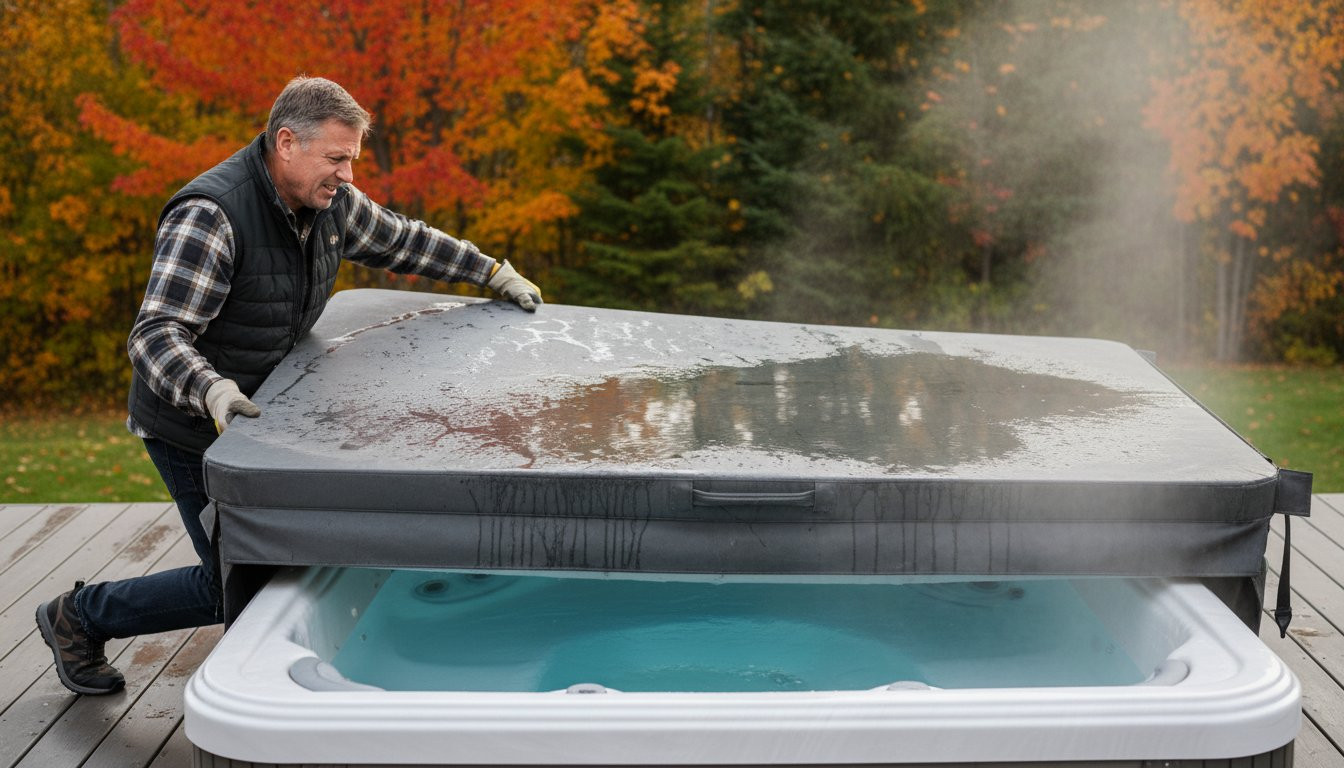
Is lifting your hot tub cover a two-person job? If you’re tired of wrestling with a heavy, waterlogged lid and watching your energy bills soar every time the temperature drops, you’re in the right place. An inferior cover isn't just an inconvenience during a harsh Canadian winter; it's a drain on your wallet. Navigating the market for Canadian Hot Tub Covers can be a challenge, especially when you’re faced with confusing terms like 'foam density' and 'vapour barrier'.
This 2025 buyer's guide cuts through the noise. We provide a straightforward, no-nonsense breakdown of exactly what to look for in a superior cover truly made for our climate. You will learn how to select a durable, energy-efficient model engineered to handle heavy snow loads, significantly lower your heating costs, and protect your investment for years. By the end, you’ll have the confidence to order a perfect-fitting cover that lasts.
Why Your Hot Tub Needs a Cover Built for Canadian Weather
When you're shopping for Canadian Hot Tub Covers, the term "Canadian-grade" is more than just a marketing slogan. A generic, mass-produced cover simply cannot withstand the unique pressures of our climate, from the crushing weight of wet snow in the Maritimes to the biting sub-zero winds in the Prairies. Investing in a cover specifically engineered for these conditions isn't an option; it's a necessity for protecting your hot tub, saving energy, and ensuring it's ready to use year-round. A proper cover is essential equipment, not just an accessory.
The Snow Load Factor
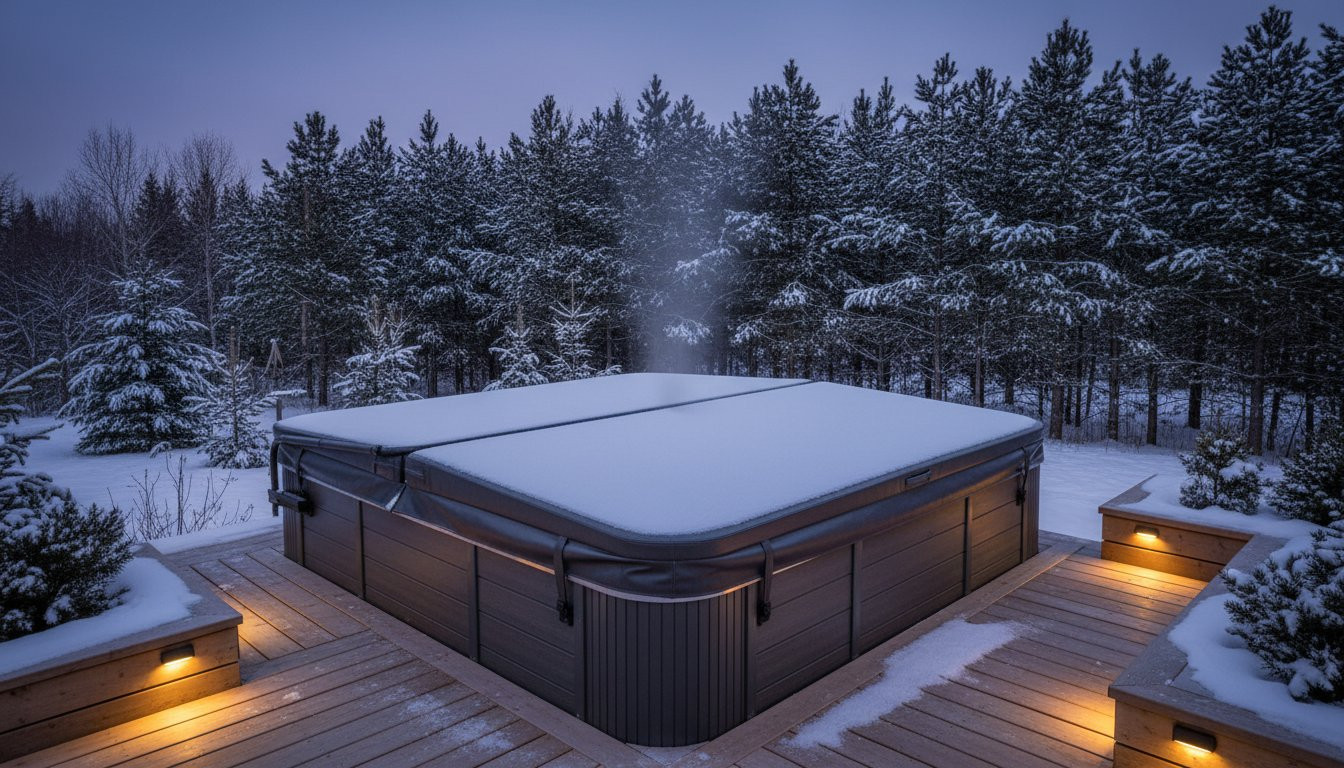
A heavy, wet snowfall can place an immense load on your cover, sometimes exceeding 20 kilograms (nearly 50 lbs) per square foot. This incredible, focused weight will bend or snap the weak aluminum C-channels found in inferior covers, causing the core to sag. Once a cover sags, it creates a bowl where water and melting snow pool, adding even more weight and accelerating its complete failure. A quality Canadian cover is built with a thick, reinforced core and heavy-duty C-channel support, designed to withstand this load without buckling and protect your investment through the toughest winters.
Battling the Freeze-Thaw Cycle
Canada’s weather is defined by extreme temperature swings, and the constant cycle of freezing and thawing is brutal on cheap materials. Low-grade vinyl, common on offshore, USA, and Mexico manufactured covers, becomes brittle in the cold. This repeated stress causes the material to crack, creating tiny fissures that act as entry points for moisture. Once water penetrates the vapour barrier and soaks the foam core, the cover becomes waterlogged, impossibly heavy, and loses all its insulating properties. A superior cover uses thick, marine-grade vinyl with cold-crack inhibitors to remain flexible and durable for years.
Stopping Energy Waste in its Tracks
A poorly fitting or damaged hot tub cover is like leaving a window wide open in January. Heat doesn't just leak—it hemorrhages through thin foam, torn seams, and a weak seal around the tub's edge. While the primary purpose of all hot tub covers is to conserve energy, one built for our climate takes this to the next level with high-density foam, a full-length insulated hinge seal, and a superior R-value. This robust insulation translates into tangible savings on your monthly hydro bill, often covering the cost of the cover itself over its lifespan.
Anatomy of a Durable Canadian Hot Tub Cover
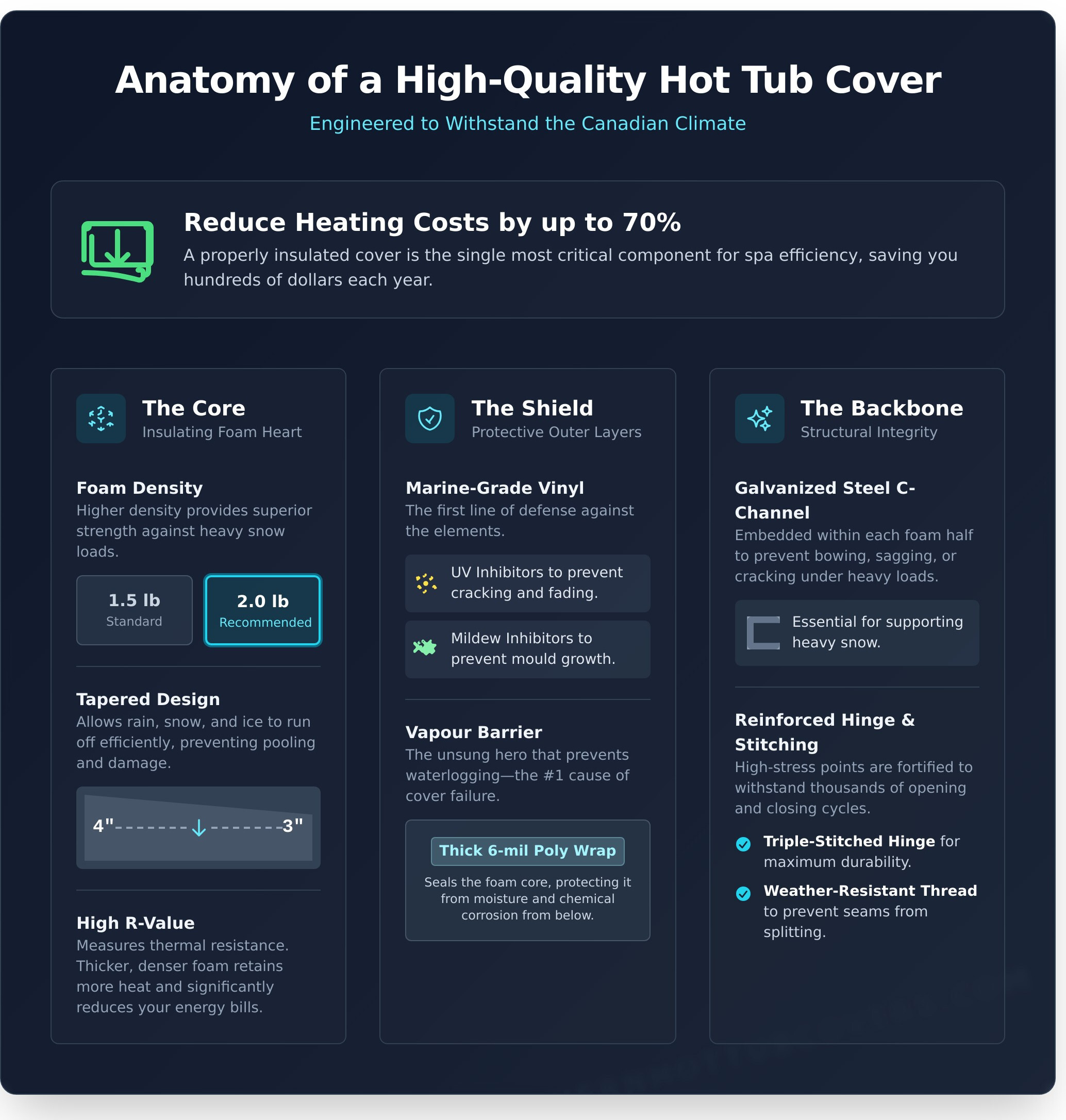
A hot tub cover is more than just a lid; it's a precisely engineered system that protects your investment and saves you money. When shopping for quality Canadian Hot Tub Covers, understanding the three critical components—the foam core, the vapour barrier, and the outer vinyl—is essential. A failure in any one of these parts compromises the entire cover, leading to heat loss, water damage, and premature replacement. Let's break down what truly makes a cover built to last.
The Foam Core: Your Cover's Insulating Heart
The foam core is the primary insulator. Its effectiveness is measured by its density and R-value. A higher density, like 1.5lb or 2.0lb foam, provides a greater R-value and superior strength to handle heavy snow loads. A higher R-value means less heat escapes, which is the single most effective way to reduce heating costs and keep your hydro bills in check. Look for a tapered design (e.g., 5" thick at the centre, sloping to 3" at the edges) to ensure rain and snowmelt runoff is efficient. Finally, a reinforced metal C-channel embedded within the foam adds critical structural support, preventing the cover from sagging over time.
The Vapour Barrier: The Unsung Hero
The most common reason hot tub covers fail is water absorption, which makes them so heavy that they become impossible to lift. The vapour barrier prevents this. Its only job is to stop moisture and spa chemicals from seeping into the foam core. We insist on a heavy-duty 6mil poly barrier—anything less is a compromise. More importantly, the seams must be sealed. Taped seams, often found on cheaper, offshore covers, will inevitably fail, allowing moisture in and destroying your cover from the inside out.
The Outer Vinyl: Your First Line of Defence
The vinyl skin is what protects your cover from the harsh Canadian elements. We only use marine-grade vinyl, the same durable material trusted for boat upholstery, because it's designed to withstand constant exposure to moisture and sun. This material is treated with UV inhibitors to prevent fading, cracking, and peeling under intense summer sun, and mildew inhibitors to resist mould growth during damp seasons. This first line of defence ensures your cover looks great and performs for years.
Buyer's Checklist: 7 Key Features to Demand in a Canadian Spa Cover
A quality hot tub cover is an investment in your spa's energy efficiency, safety, and longevity. When comparing Canadian Hot Tub Covers, don't just look at the price tag. Use this practical checklist to ask the right questions and ensure you're getting a product built to withstand our demanding climate. A superior cover will save you money and headaches for years to come.
Foam Density and Taper
The core of any cover is its insulating foam. This determines its resistance to snow and its ability to retain heat, which directly affects your energy bill. A higher-density foam provides better insulation (R-value) and can support a heavier snow load. According to the Pool & Hot Tub Council of Canada, a properly insulated cover is one of the most effective ways to lower heating costs. Demand these minimums:
-
Foam Density: Insist on a minimum of 1.5lb density foam for most regions in Canada. If you live in an area with heavy snowfall, upgrading to 2.0lb density foam is a wise investment.
-
Foam Taper: A taper of at least 4" to 2" is essential. This slope allows rain, ice, and melting snow to run off efficiently, preventing pooling water that can damage the cover over time.
Vapour Barrier Thickness and Seal
This is the single most important feature for preventing a heavy, waterlogged cover. The vapour barrier wraps the foam core, protecting it from steam and chemical vapours from the hot tub water. A failure here is the number one cause of premature cover replacement.
-
Barrier Thickness: Don't settle for less than a 6 mil thick poly-vapour barrier. Thinner barriers will break down quickly.
-
Seam Quality: Ask specifically if the seams are heat-sealed. Taped seams are a common cost-cutting measure that will eventually fail, allowing moisture to destroy the foam core.
Vinyl and Stitching Quality
The outer vinyl jacket is your cover's first line of defence against sun, rain, and snow. High-quality materials and construction are critical for durability.
-
Vinyl Grade: Confirm the cover is made of 100% marine-grade vinyl with built-in UV and mildew inhibitors to prevent fading, cracking, and deterioration.
-
Reinforcements: Look for heavy-duty polyester stitching, reinforced handles, and strong, adjustable locking straps. These straps are crucial for child safety and for securing the cover during high winds.
Warranty and Canadian Support
A manufacturer's warranty is a direct reflection of the manufacturer's confidence in its product. A long, comprehensive warranty backed by local support provides peace of mind.
-
Warranty Length: A quality cover should come with a comprehensive, "No-Nonsense" Warranty of at least 3 to 5 years.
-
Local Support: Ensure the company provides support from within Canada. Dealing with warranty claims or questions is far simpler when you aren't facing international shipping and different time zones.
At Northern Hot Tub Covers, we ensure every cover we build not only meets but exceeds these critical standards for Canadian conditions. We guarantee a superior product that delivers on performance and durability. Build your custom cover today!
Canadian-Made vs. Offshore Imports: What's the Real Difference?
Let's get straight to the point: you've seen cheaper hot tub covers online, likely not made in Canada. The lower price tag is tempting, but it hides the true cost. When it comes to protecting your spa through a harsh Canadian winter, the difference between a domestic and an imported cover is significant. Choosing quality Canadian Hot Tub Covers isn't just about patriotism—it's a practical decision that saves you money and frustration in the long run.
Material and Craftsmanship: Built for Our Climate
Offshore covers often cut corners where it matters most. They typically use lower-density foam that quickly becomes waterlogged and heavy, and thinner vinyl that cracks under the stress of our freeze-thaw cycles. In contrast, a cover engineered for our climate uses high-density virgin foam for superior insulation, heavy-duty marine-grade vinyl to repel moisture and UV rays, and reinforced, double-stitched seams that won’t split under a heavy snow load. It’s the quality you can see and feel.
Warranty and Accountability: A Local Promise
What happens when that cheap import fails? Good luck claiming a warranty from a company thousands of kilometres away. You’ll likely face communication barriers and hefty shipping costs if you get a response at all. When you buy from a Canadian business, you’re dealing with people who understand local conditions and stand behind their product. A no-nonsense warranty is easy to claim because we are right here, accountable to you, our fellow Canadian.
The True Cost Over Time: Do the Math
A C$350 imported cover that fails in two years costs you C$175 annually. A properly built C$600 Canadian cover that lasts five years or more costs you C$120 or less per year. This simple math doesn’t even account for the higher hydro bills you'll pay due to poor insulation. Investing in one of the best Canadian Hot Tub Covers from the start is the most cost-effective choice. It’s an investment in efficiency, durability, and peace of mind for years to come.
Ready for a cover that's built to last? Explore our Canadian-made options.
Protect Your Investment with the Right Canadian Cover
Choosing the right cover for your spa is one of the most important decisions you'll make as a hot tub owner in Canada. As we've covered, our harsh climate demands superior materials and construction—from high-density tapered foam to a heavy-duty vapour barrier. Understanding these key features is what separates a cover that lasts one season from one that protects your investment for years. The evidence is clear: for durability and performance, nothing beats genuine Canadian Hot Tub Covers built by experts who understand our weather.
Don't settle for a generic, offshore import that will cost you more in the long run. At Northern Hot Tub Covers, we build every cover right here in Canada, specifically for the Canadian climate. We stand behind our craftsmanship with a 5-Year 'No Nonsense' Warranty and guarantee a perfect cover on over 5,000 spa models, ensuring maximum energy efficiency and protection for your hot tub.
Ready to get the quality you deserve? Build Your Custom Canadian-Made Hot Tub Cover Now and enjoy the peace of mind that comes with a superior, long-lasting product.
Frequently Asked Questions
How long should a good-quality Canadian hot tub cover last?
A high-quality hot tub cover, built for the demanding Canadian climate, should last between 5 and 7 years. Longevity depends on factors like exposure to harsh sun and heavy snow loads. Covers constructed with superior materials, such as marine-grade vinyl, high-density tapered foam, and a thick vapour barrier, offer the best durability. Proper maintenance is also crucial to reaching and exceeding this lifespan, ensuring your investment remains efficient and protective for years to come.
What are the signs that I need to replace my hot tub cover?
The most common sign is weight. If your cover has become extremely heavy and difficult to lift, it is waterlogged and has lost its insulating value. Other clear indicators include visible sagging or pooling water on the surface, cracked or brittle vinyl, and a musty odour, which suggests mould growth inside the foam core. A noticeable increase in your electricity bill can also signal that the cover is no longer retaining heat effectively and needs to be replaced.
Is it difficult to measure for a new custom hot tub cover?
No, measuring for a new cover is straightforward. You will need three key measurements: the length and width at the widest points, and the corner radius, which measures the corner's roundness. For round spas, you only need the diameter. Most reputable Canadian suppliers provide simple, step-by-step instructions and diagrams to guide you, so you can order with confidence and receive a cover guaranteed to fit your hot tub perfectly.
How much does a new Canadian-made hot tub cover typically cost?
The price for new, high-quality Canadian hot tub covers typically ranges from C$500 to C$800. The final cost depends on several factors, including the thickness and density of the foam core (its R-value), the grade of marine vinyl used, and any custom upgrades, such as a full-length hinge seal for added insulation. Investing in a premium cover is an investment in energy efficiency, which will save you money on heating costs over the long term.
What is the difference between a hot tub cover and a swim spa cover?
The primary differences are size and construction. Swim spa covers are significantly larger and are typically made in three, four, or more panels to be manageable. Due to their extended span, they require much stronger internal reinforcement, such as heavy-duty aluminum C-channels, to prevent sagging and support heavy snow loads. A standard bi-fold hot tub cover lacks the structural integrity required for the size and demands of a swim spa.
How do I clean and maintain my new hot tub cover to maximize its life?
To maximize your cover's lifespan, regular cleaning is essential. Use a mild soap and water solution or a dedicated vinyl cleaner to wash the top surface, and rinse it thoroughly. Avoid abrasive cleaners or brushes. Every 3-4 months, apply a UV protectant formulated for marine-grade vinyl to prevent cracking and fading from sun exposure. In winter, use a soft brush or broom to gently remove heavy snow accumulation to prevent stress on the foam core and hinge.
Can I prevent my hot tub cover from getting waterlogged?
While all covers will eventually absorb some moisture, you can significantly delay the process. The key is protecting the vapour barrier that encases the foam core. Handle the cover carefully to avoid punctures or tears. When buying, choose a cover with a thick, high-quality, heat-sealed vapour barrier. Maintaining proper water chemistry in your hot tub also helps, as excessive chemical use can degrade the underside of the cover and the barrier over time.