5 Signs Your Hot Tub Lid is Waterlogged & Needs Replacing
Posted by Northern Hot Tub Covers on 21st Jan 2026
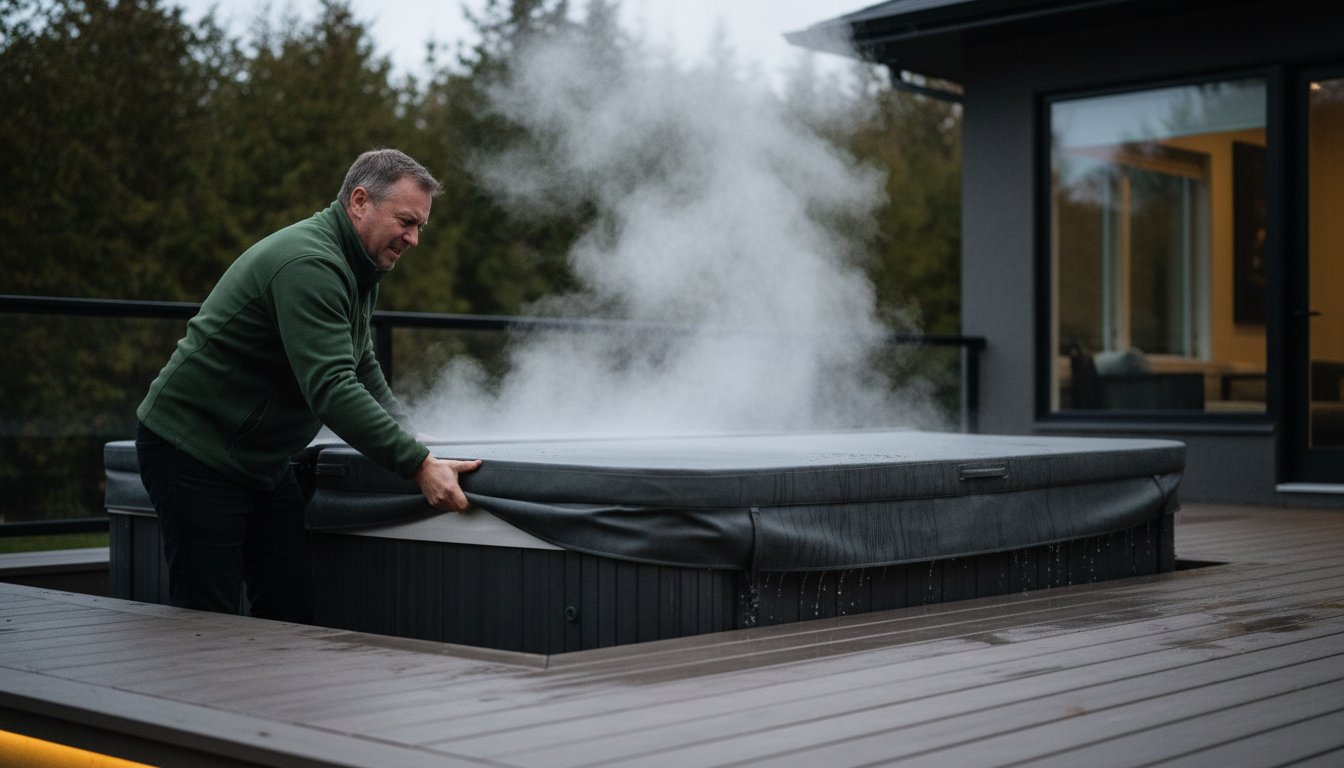
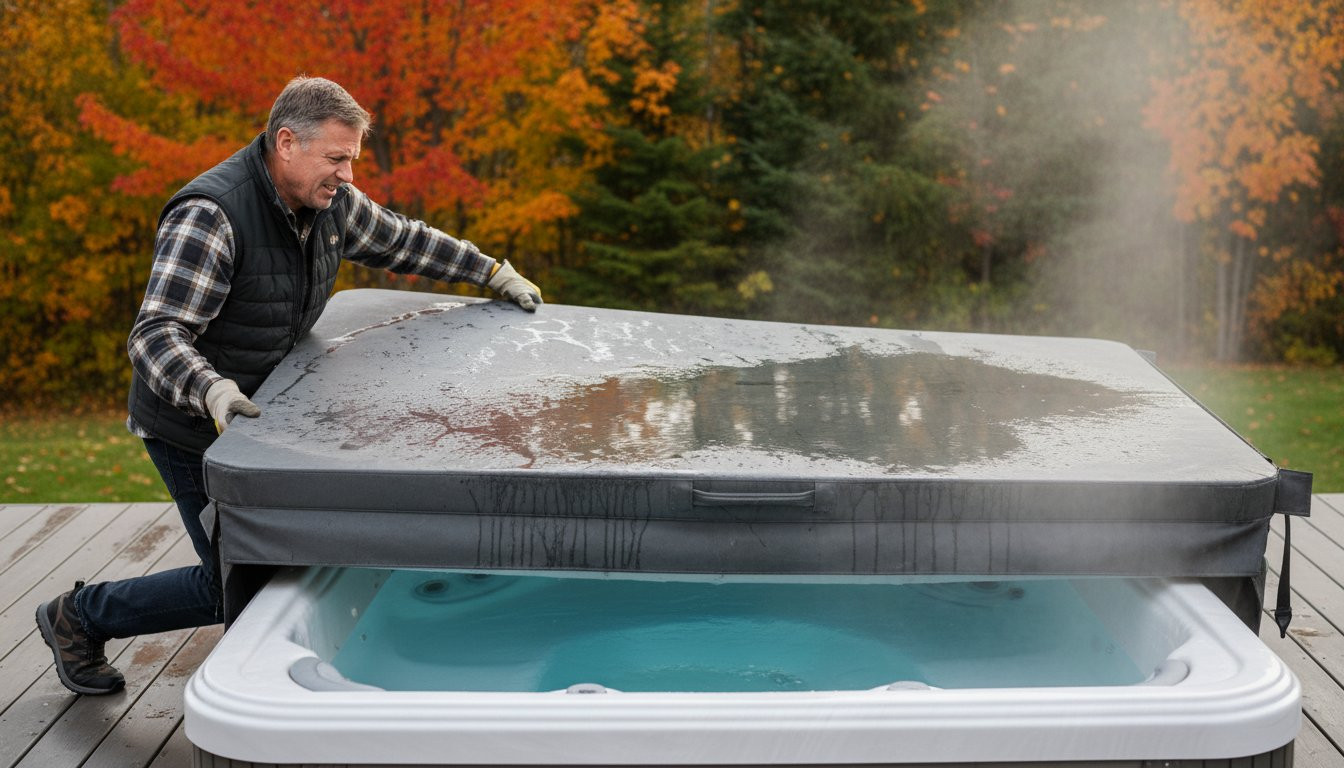
Is wrestling with your hot tub cover starting to feel more like a weightlifting session? If that once-easy lift now requires a team effort, and you've noticed your hydro bills creeping up, you’re not just imagining it. These are classic symptoms of a failing hot tub lid, and the culprit is almost always waterlogging. A saturated cover doesn't just become incredibly heavy; it completely loses its insulating ability, forcing your heater to work overtime against the Canadian cold and costing you real money every single month.
Ignoring the problem won't make it go away—it will only get heavier, less efficient, and potentially develop unpleasant odours from mold and mildew. This guide provides the no-nonsense information you need. We will cover the five key signs that confirm your cover is waterlogged and needs to be replaced. You'll understand exactly why it happens and gain the confidence to make the right decision, ensuring your next cover is a durable, efficient, and quality investment built to last.
Sign #1: The Lid is Impossibly Heavy
If you suddenly need a second person to help you lift your hot tub cover, you are experiencing the most common and undeniable sign of a failing lid: waterlogging. A brand new, high-quality cover should weigh between 50 and 75 pounds, making it manageable for one adult. However, once water breaches the core, that weight can easily double, exceeding 150 pounds.
This immense weight gain isn't just an inconvenience; it's a clear signal that the internal foam core is saturated with water. This extra load puts tremendous strain on your cover lifter, the cover's seams, and even the acrylic shell of your spa itself. Ignoring a heavy hot tub lid doesn't just make it harder to use your spa—it actively causes damage.
The Science of a Waterlogged Cover
The insulating power of your cover comes from its foam core, which contains millions of tiny trapped air pockets. To protect this foam from the constant steam and chemical vapours rising from your spa water, it is sealed in a heavy-duty vapour barrier. When this barrier is punctured or degrades over time, steam penetrates the foam. The foam then acts like a giant sponge, absorbing water and displacing air, destroying its insulating properties and dramatically increasing its weight.
How to Test for Water Saturation
Beyond the obvious difficulty in lifting, you can confirm waterlogging with a few simple checks. First, perform the 'lift test': if you struggle to lift a corner or can no longer open it on your own, it's a clear red flag. Next, observe the cover after you remove it. Does it drip excessively or leave large puddles on your deck? Finally, for a definitive answer, carefully unzip the outer vinyl jacket to inspect the sealed foam inserts. If you see any tears in the plastic wrap or moisture trapped inside, the barrier has failed.
The Dangers of a Heavy Lid
Continuing to use a dangerously heavy cover is a risk you shouldn't take. The consequences go far beyond simple inconvenience and can lead to expensive repairs and serious safety issues.
-
Risk of Personal Injury: Trying to wrestle a 150+ pound lid can easily lead to severe back strain or other musculoskeletal injuries.
-
Cover Lifter Failure: Your cover lifter is engineered for a specific weight. A waterlogged cover will bend metal arms, break hydraulic pistons, and strip gears, resulting in costly repairs.
-
Damage to Your Spa: Accidentally dropping or dragging a heavy, saturated hot tub lid can crack or chip the acrylic shell of your Hot tub, a repair that can be both difficult and expensive.
Sign #2: Visible Damage and Deterioration
Your hot tub cover's outer vinyl jacket is its first and most important line of defense against the Canadian climate. Over time, constant exposure to sun, rain, snow, and spa chemicals will inevitably break down the materials. While a little fading is normal, significant physical damage is a red flag. Even a small tear can compromise the vapour barrier, allowing moisture to seep into the foam core and begin the process of catastrophic failure. A visually worn-out cover isn't just an eyesore; it's a clear signal that its useful life is over.
Cracked, Fading, or Brittle Vinyl
The primary culprit behind vinyl degradation is ultraviolet (UV) radiation from the sun. This exposure causes the material to lose its flexibility, becoming brittle and prone to cracking. These cracks create direct pathways for rain and melting snow to penetrate the cover from the top. As industry experts at AQUA Magazine note, this type of hot tub cover deterioration is a common problem that quickly leads to mildew growth between the vinyl and the foam core, further accelerating the breakdown.
Torn Seams and Ripped Handles
Stitching is often a major failure point, especially on lower-quality covers not built to withstand our demanding climate. Seams can pull apart from the stress of repeated lifting or the weight of snow. Ripped handles are another classic symptom—they often tear off not from misuse, but because the cover has become incredibly heavy with absorbed water. A torn seam or handle hole is a critical breach, exposing the foam core directly to the elements and guaranteeing rapid waterlogging.
Broken or Cracked Foam Cores
A broken foam core is one of the most serious forms of damage. This is often caused by heavy snow loads, a common reality for Canadian hot tub owners, but can also happen if pets or people sit or stand on the cover. Once the foam core is cracked, the structural integrity of the entire hot tub lid is compromised. It can no longer support any weight, creating a significant safety hazard. Furthermore, the break creates a massive gap in insulation, allowing heat to escape and driving up your energy bills.
Sign #3: Sagging, Pooling Water, and a Poor Seal
A high-quality hot tub cover is engineered to be flat, rigid, and create a tight seal around the lip of your spa. This seal is your first line of defence against heat loss. When you see your cover begin to sag, bow, or allow water to pool on top, it's a clear indication that its structural integrity has been compromised by waterlogging.
This sagging not only looks bad but is a direct symptom of a failing foam core. The added weight of the water causes the cover to lose its shape, creating gaps that allow precious heat to escape and driving up your energy consumption, a major concern during our harsh Canadian winters.
The Dreaded 'Hot Tub Canoe'
One of the most obvious signs of a failed cover is when it develops a 'canoe' shape, dipping significantly in the middle. This is a tell-tale sign that the internal heavy-duty steel C-channel, designed to provide strength and support, has bent or broken under the immense weight of water-saturated foam. At this point, the hot tub lid is structurally unsound and cannot perform its essential duties of insulation and safety.
Why a Bad Seal Costs You Money
A warped or sagging cover creates gaps between the cover and the spa shell, leading to the 'chimney effect.' Heat rises and escapes through these gaps, forcing your heater to work constantly to maintain the water temperature. On a cold day, you can often see steam billowing out from the sides. This constant heat loss is a primary driver of high energy bills, a principle supported by general energy-saving tips which emphasize the importance of proper insulation. A poor seal can easily add C$20-C$50 or more to your monthly hydro bill.
Checking the Fit and Seal
You can perform a quick, easy check of your cover's seal. On a cool evening, carefully run your hand along the edge where the cover meets the tub's acrylic shell. You should not feel a significant draft of warm, moist air escaping. A quality hot tub lid should sit perfectly flush across the entire lip of the spa. If you see daylight through the seal or the cover rocks back and forth, it is no longer providing an efficient thermal barrier.

Sign #4: Unpleasant Odors and Smells
If you lift your hot tub cover and are greeted by a musty, mildewy smell, it’s a definitive sign of a serious problem. That unpleasant odor isn't coming from your spa water; it's coming from inside the cover itself. When the vapour barrier fails and the foam core becomes saturated, it creates the perfect warm, damp environment for mold, mildew, and bacteria to thrive. This isn't just an annoyance—it's an unhygienic condition that needs immediate attention.
Identifying Mold and Mildew
You can't always see the contamination, but your nose will know. The earthy, musty smell is unmistakable and very different from the clean scent of spa chemicals like chlorine or bromine. If you unzip the vinyl casing surrounding the foam inserts, you may find visible evidence: black, green, or grey spots growing directly on the foam or the inside of the vapour barrier. This confirms the core of your hot tub lid is compromised.
Potential Health Concerns
A moldy cover is more than just smelly; it can pose health risks. Every time you open the cover, you can release a cloud of mold spores into the air around your spa. This is a significant concern for anyone with allergies, asthma, or other respiratory sensitivities. Furthermore, condensation that forms on the underside of the contaminated cover can drip back into your hot tub, compromising water quality and forcing your sanitizer to work overtime.
Why Cleaning Isn't a Solution
Unfortunately, this is not a problem you can fix with a scrub brush and cleaner. While cleaning the exterior vinyl is good regular maintenance, it does nothing to address the mold growing deep within the foam core. Once the foam is saturated and contaminated, it cannot be fully sanitized. The only permanent and safe solution is to replace the entire cover. Investing in a new, high-quality hot tub lid not only eliminates the smell and health risks but also restores your spa's energy efficiency.
What to Do Next: The Case for Replacement Over Repair
If your hot tub cover shows signs of waterlogging, the time for a quick fix has passed. A saturated cover has lost its insulating properties and its structural integrity, turning it from a protective asset into a safety hazard and an energy drain. Once these signs appear, its ability to keep heat in and children out is severely compromised, making replacement the only sensible and safe path forward.
The Reality of DIY Repairs
While it can be tempting to try a DIY solution, these are temporary measures that fail to address the core problem. Attempting to dry out the foam core is nearly impossible; once saturated, it permanently loses its insulating R-value. Patch kits and heavy-duty tapes rarely stand up to the constant heat, moisture, and chemical exposure, peeling away quickly. Ultimately, these fixes don't repair the compromised internal vapour barrier, meaning the foam will just absorb water again.
When to Replace Immediately
In some situations, waiting is not an option. You should replace your cover immediately if:
-
It is visibly broken, cracked, or sagging under its own weight, posing a serious safety risk.
-
You can smell a musty or moldy odour, which indicates a health hazard that can affect your spa's water and the air around it.
-
Your hydro bills have noticeably increased. A new, efficient cover can pay for itself in energy savings, especially during a cold Canadian winter.
Choosing a Quality Replacement Lid
Investing in a quality replacement is the most cost-effective and practical solution. A superior hot tub lid doesn't just cover your spa; it protects your investment and keeps operating costs down. When selecting a new cover, look for these key features to ensure it can handle the demanding Canadian climate:
-
High-Density Foam Core: Provides superior insulation (R-value) and the strength to handle a snow load.
-
Thick Vapour Barrier: A heavy-duty, sealed barrier is essential to prevent the foam from absorbing moisture.
-
Marine-Grade Vinyl: Ensures the exterior can withstand harsh UV rays, snow, and rain without cracking or fading.
-
A Perfect, Custom Fit: A tight seal is crucial to lock in heat and keep debris out, maximizing energy efficiency.
Don't let a failing cover drain your wallet and compromise your safety. Find a Canadian-made cover built to last and restore your hot tub's performance.
Protect Your Investment with a Superior Cover
If your hot tub cover is impossibly heavy, visibly sagging, or giving off a musty smell, it’s a clear sign that its core is saturated and failing. A waterlogged cover isn't just an inconvenience—it's actively costing you money in lost heat and putting unnecessary strain on your lifter and your back. Repairing a saturated core is not a practical long-term fix.
Investing in a high-quality, durable hot tub lid is the most reliable and cost-effective solution. At Northern Hot Tub Covers, all our products are made in Canada, specifically to withstand the harsh Canadian climate, with maximum energy efficiency and protection. Best of all, we stand behind our superior craftsmanship with a 5-Year No-Nonsense Warranty for your complete peace of mind.
Order your custom-fit, Canadian-made hot tub lid today.
Protect your spa and get back to effortless relaxation for years to come.
Frequently Asked Questions About Hot Tub Lids
Can you dry out a waterlogged hot tub lid?
While technically possible, drying out a waterlogged cover is neither practical nor effective in the long term. The internal vapour barrier has already been compromised, allowing moisture to saturate the foam core. Even if you manage to dry it, the foam’s insulating properties are permanently damaged, and it will quickly absorb water again. The best course of action is to invest in a quality replacement to ensure proper insulation and safety.
How long should a quality hot tub lid last in Canada?
A high-quality hot tub lid, built specifically for the harsh Canadian climate, should last 5 to 7 years. Factors like heavy snow loads, intense UV exposure, and proper chemical maintenance play a significant role in its lifespan. Cheaper, lower-density covers often fail much sooner, typically within 2 to 3 years, as they are not designed to withstand the temperature swings and precipitation we experience in Canada.
What causes a hot tub cover to get heavy in the first place?
A hot tub cover becomes heavy when its foam core gets saturated with water. This happens when the protective vapour barrier surrounding the foam breaks down over time. Hot tub chemicals and constant steam slowly degrade this barrier, creating tiny holes. Once breached, steam from the hot tub penetrates the foam, condenses, and becomes trapped. Over months, this trapped water adds significant weight, making the cover difficult to lift.
Is a moldy or waterlogged hot tub cover a health hazard?
Yes, it absolutely can be a health hazard. A constantly damp and warm environment inside your cover is a perfect breeding ground for mold, mildew, and bacteria. These contaminants can release spores into the air you breathe when you open the cover and can also drip back into your spa water, compromising its sanitation. This can lead to skin irritation, respiratory issues, and other health concerns for you and your family.
How much money can a new hot tub lid save on energy bills?
Replacing a heavy, waterlogged hot tub lid can save you a substantial amount on your energy bills. A water-soaked cover has virtually no insulating value, forcing your heater to work constantly. A new, well-fitting cover with high-density foam can significantly reduce your hot tub’s energy consumption, potentially saving you between C$30 and C$60 per month during the cold Canadian winter. It is one of the most effective ways to improve your spa's efficiency.
Is it worth trying to repair a small tear in my hot tub cover?
It depends on the location of the tear. If you have a small rip in the outer marine-grade vinyl, using a vinyl patch kit is a good idea to prevent moisture from getting in and to stop the tear from growing. However, if the tear is on the underside and has compromised the inner vapour barrier, a simple patch will not solve the underlying problem. Moisture will continue to saturate the foam core, and a replacement will be necessary soon.