Waterlogged Hot Tub Cover Symptoms: 7 Key Signs It's Time for a Replacement
Posted by Northern Hot Tub Covers on 17th Feb 2026
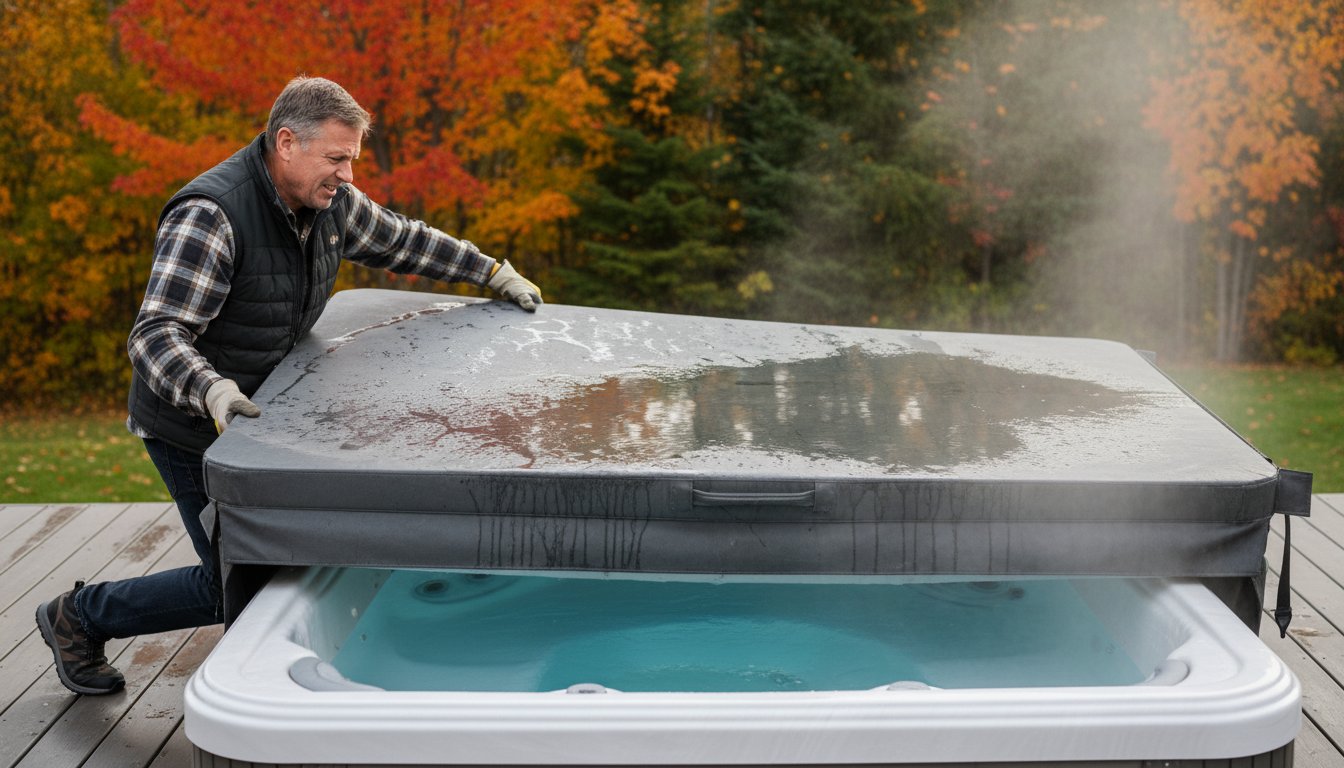
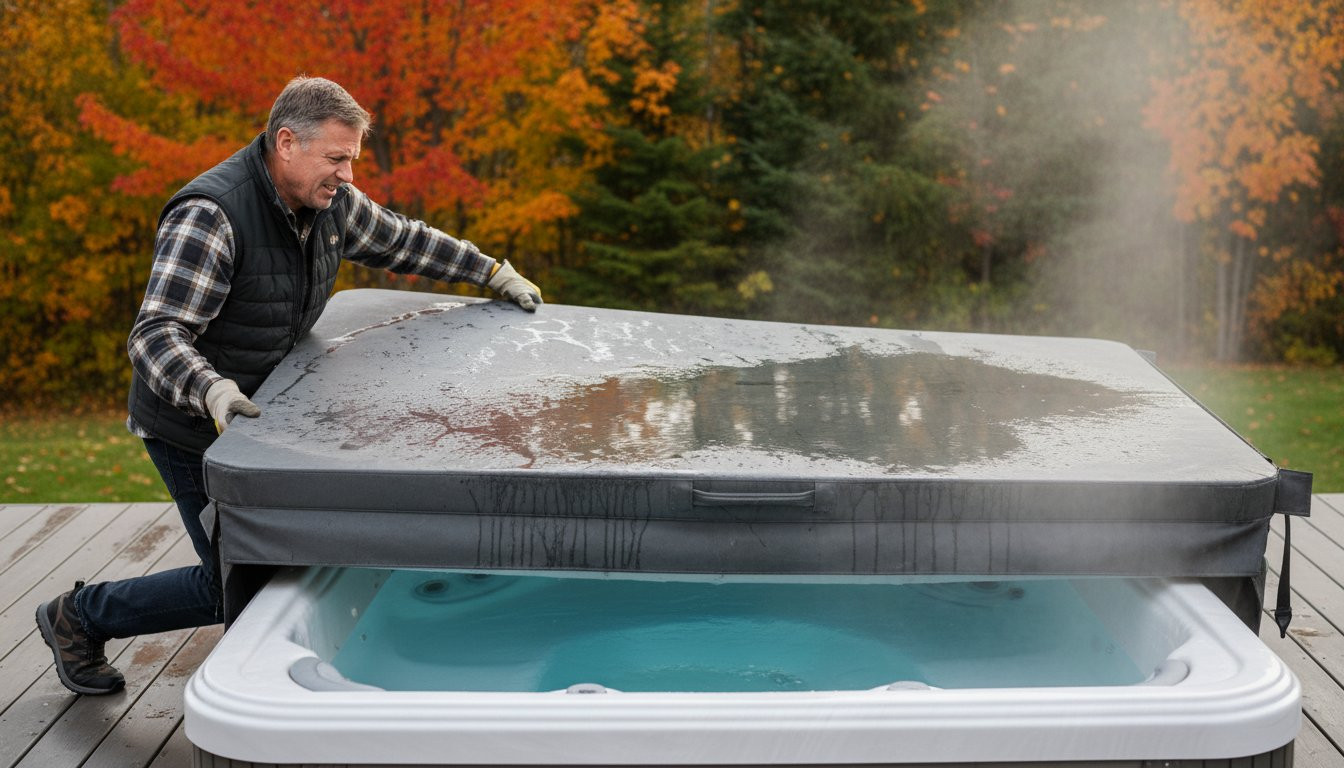
Is wrestling with your hot tub cover becoming a two-person job? If the sheer weight makes you dread your daily soak, or you've noticed a spike in your hydro bill, you're not just imagining it. A sagging, unsightly appearance is another clear warning sign. These are all classic symptoms of a waterlogged hot tub cover, and they indicate a serious problem that goes far beyond simple inconvenience. A saturated cover loses its insulating value, forcing your spa's heater to work overtime and increasing your energy costs. It also becomes a potential breeding ground for mould and mildew, compromising the clean, relaxing environment you invested in.
Ignoring the problem only makes it heavier on your back and your wallet. In this guide, we provide a no-nonsense breakdown of the seven key signs that confirm your cover is failing. We’ll help you diagnose the issue, understand the hidden costs, and see why investing in a superior, heavy-duty replacement built for the Canadian climate is the only practical and safe long-term solution.
Key Takeaways
-
Learn to spot the key waterlogged hot tub cover symptoms, from extreme heaviness and sagging to a distinct musty odour, to confirm your cover has failed.
-
Understand that a waterlogged cover is a hidden expense that can significantly increase your hydro bills and put unnecessary strain on your cover lifter.
-
Discover the hard truth about DIY fixes and why trying to dry out a saturated foam core is not a practical or lasting solution for a heavy cover.
-
Find out what to look for in a quality replacement cover, including a superior vapour barrier that is built to withstand the Canadian climate and prevent future waterlogging.
Table of Contents
-
What is a Waterlogged Hot Tub Cover (And Why Does It Happen?)
-
The Hidden Costs: Why a Waterlogged Cover is a Serious Problem
What is a Waterlogged Hot Tub Cover (And Why Does It Happen?)
Think of your hot tub cover as a giant, high-tech sponge that, for years, has been sealed in a waterproof bag. As long as the bag is intact, the sponge stays dry and light. But the moment that seal breaks, the sponge starts soaking up water it can never release. This is precisely what happens to your spa cover, leading to the common waterlogged hot tub cover symptoms that force homeowners to seek a replacement.
Every quality hot tub cover is built with two core components: a dense insulating foam core and a protective vapour barrier. The primary cause of a waterlogged cover is the inevitable breakdown of this barrier. From below, your cover is constantly exposed to heat, steam, and sanitizing chemicals such as chlorine or bromine. Over time, these elements degrade the protective seal, creating tiny punctures or tears.
Once the barrier is breached, the foam's open-cell structure, designed to trap air for insulation, begins to absorb condensation and moisture. This process is slow at first but irreversible, eventually turning your lightweight, efficient cover into a heavy, water-saturated burden.
The Role of the Vapour Barrier
The vapour barrier is the single most critical component for your cover's longevity. It is a thick plastic membrane vacuum-sealed around the foam inserts, serving as the primary line of defense against steam and chemical vapour. Many offshore or low-cost covers are made of thin, inferior plastic that fails quickly under the harsh conditions of a Canadian winter. Once this seal is broken, there is no way to dry out the foam. A superior, heavy-duty vapour barrier is essential for a long-lasting, efficient cover.
Expanded Polystyrene (EPS) Foam: A Double-Edged Sword
The insulating core of your cover is made of expanded polystyrene (EPS) foam. Its structure consists of countless tiny air pockets, which give it an excellent R-value for insulation and help keep your heating costs down. However, these same pockets that trap heat will just as effectively trap water once exposed. As the foam absorbs moisture, its weight increases dramatically, and its insulating properties plummet. As many resources on Hot tub covers and energy efficiency explain, a cover that no longer insulates properly will lead to a noticeable spike in your electricity bill.
The 7 Telltale Symptoms of a Waterlogged Cover
Think of this section as a practical diagnostic checklist for your hot tub. While a single issue could have other causes, spotting two or more of these classic waterlogged hot tub cover symptoms is a sure sign it's time for a replacement. We’ve ordered them from the most obvious to the most subtle to help you make a confident diagnosis.
Symptom 1: The Cover is Extremely Heavy
This is the most common and undeniable sign of waterlogging. A new, high-quality hot tub cover weighs between 50 and 75 pounds. A waterlogged cover can easily exceed 150-200 pounds as its foam core becomes saturated. It suddenly becomes a difficult two-person job to lift, and you may hear your cover lifter motor straining under the load. This excess weight isn't just an inconvenience; it poses a real risk of back injury and can cause permanent damage to your hot tub lifter system.
Symptom 2: Sagging, Bowing, or Puddling
As the foam core absorbs water and gains weight, it loses structural integrity and may bend or break. You’ll notice a visible sag in the middle of your cover. As a result, rainwater and snowmelt will pool on the surface rather than run off as designed. This standing water accelerates damage by adding additional weight and forcing more moisture into the failing core. This structural failure is not just unsightly; it poses a serious safety hazard, as the cover can no longer support its weight and does not meet critical hot tub safety standards for preventing accidental entry.
Symptom 3: A Musty, Mildew Odour
When you lift your cover, are you greeted by a distinct swampy or musty smell? That odour is a telltale sign of a problem. The warm, dark, and damp environment inside a failing cover is a perfect breeding ground for mould, mildew, and bacteria. This indicates unsanitary conditions that can directly impact your spa's water quality and chemistry. Simply cleaning the vinyl surface won't solve the problem, as the source is deep within the foam core.
Symptom 4: Damp or Stained Underside
Take a moment to inspect the bottom of your cover, the side that faces the water. Look for clear signs of water seepage, dark staining, or even algae growth along the seams. The seams on the underside may feel damp to the touch long after you've used the hot tub. This is the physical evidence that the cover’s protective vapour barrier has been compromised, allowing steam and condensation to penetrate the foam.
Symptom 5: A Crunching Sound When Lifted
The immense weight of the absorbed water can physically snap the foam inserts. When you lift the cover, you may hear a distinct cracking or crunching sound. This indicates a complete structural failure of the insulating core and a total loss of its insulating properties.
Symptom 6: Torn Seams and Handles
The extreme weight puts immense stress on all stitched components of the cover. It's common for the reinforced handles to rip off in your hands when you try to lift them. You may also see the main hinge seam, which joins the two halves of the cover, begin to tear. This is a clear sign that the cover is literally falling apart under its own weight.
Symptom 7: Your Hydro Bill is Climbing
This is the symptom you feel in your wallet. Water is a terrible insulator compared to high-density foam. A waterlogged cover has a drastically reduced R-value, allowing precious heat to escape. Your spa's heater is required to run continuously to maintain the temperature, leading to a noticeable increase in your electricity costs, especially during the cold Canadian winters.

The Hidden Costs: Why a Waterlogged Cover is a Serious Problem
While the physical strain of a heavy, sagging cover is frustrating, the real damage occurs to your wallet and your hot tub. Ignoring these clear **symptoms of a waterlogged hot tub cover **isn't just an inconvenience; it's costing you money every month. A failing cover is a liability that triggers a chain of costly problems. Thinking of a replacement cover as an expense is the wrong approach. It’s a necessary investment to stop these ongoing financial losses and protect your spa.
Skyrocketing Energy Bills
Your hot tub cover's primary job is insulation. The dense foam core is designed to trap air, creating a thermal barrier with a high R-value. When that foam becomes saturated with water, its insulating properties plummet. Water is a terrible insulator compared to trapped air. This forces your hot tub's heater to run almost constantly to maintain its temperature, especially during the harsh Canadian winter. This isn't a small change; your monthly hydro bill could increase by C$50, C$100, or more due to heat escaping through your cover.
Damage to Your Cover Lifter and Spa
A standard, dry hot tub cover weighs between 50 and 75 pounds. Cover lifters are engineered specifically for this weight range. A waterlogged cover can easily exceed 150 pounds, putting extreme stress on the lifter's arms, pistons, and mounting brackets. This will inevitably lead to bent metal, broken parts, and a lifter requiring costly repair or full replacement. Worse yet, the immense, constant pressure of a water-saturated cover can crack or damage the acrylic shell of your hot tub-a far more serious and expensive problem to fix.
Poor Water Chemistry and Quality
The stagnant, often foul-smelling water trapped inside your cover's vinyl barrier doesn't stay there. It will inevitably drip and leak back into your pristine spa water, introducing mould, mildew, and other contaminants. This contamination is one of the critical signs it's time to replace your cover, as it directly impacts your spa's health and your maintenance routine. You’ll find yourself fighting a losing battle with your water chemistry, constantly needing to add more sanitizer and balancing chemicals. This not only increases your ongoing maintenance costs but also takes away from the relaxing experience your hot tub should provide.
Can You Fix a Waterlogged Cover? The Hard Truth
When you first notice telltale signs of a waterlogged hot tub cover, the immediate question for many Canadian hot tub owners is: "Can I fix this myself?" It’s a practical thought, especially when trying to save money. You might be tempted to find a DIY solution online, but we believe in giving you honest, expert advice. The hard truth is that once a cover is waterlogged, there is no effective or lasting repair.
Attempting a fix is often a frustrating waste of time and effort that only delays the inevitable. The cover's structural integrity and insulating properties are permanently compromised. Let's break down why these common "fixes" are really just myths.
The Myth of 'Drying Out' the Foam
The most common DIY attempt involves unzipping the vinyl jacket, removing the saturated foam core inserts, and leaving them out to "dry." While this sounds logical, it’s fundamentally flawed. Here’s why it doesn’t work:
-
Deep Saturation: The foam cores are made of closed-cell expanded polystyrene (EPS). Once the protective vapor barrier is breached, water and steam are forced deep into the foam's structure. It's not like a surface spill; the moisture is trapped within.
-
Impractical Timeline: Fully drying a saturated foam core can take weeks, if not months, in the sun. Even then, it will never release all the trapped moisture.
-
Permanent Damage: The process of becoming waterlogged and then drying out renders the foam brittle and prone to crumbling. It loses its structural strength and, most importantly, its insulating R-value, making it inefficient.
Why the Problem Will Return Immediately
Even if you partially dry the foam, you haven't solved the root cause: the broken vapor barrier. This thin, sealed plastic sheeting around the foam is the cover's most critical component for preventing water absorption. Once it has a tear, puncture, or failed seam, the damage is done.
The moment you place the "dried" foam back on your hot tub, it will immediately begin absorbing steam and condensation again. You cannot effectively re-seal the vapor barrier at home with tape or other sealants; they simply can't withstand the constant heat and chemical-laden moisture. The heaviness, odour, and sagging will return quickly, and you'll be right back where you started.
Don't waste your weekend on a fix that won't last. Invest in a cover that's built to last and designed specifically for the demanding Canadian climate.
How to Choose a Replacement Cover That Resists Waterlogging
Now that you can identify the key symptoms of a waterlogged hot tub cover, the next step is to invest in a replacement that won't fail you again. A superior cover isn't just an expense; it's a long-term investment in your hot tub's efficiency, safety, and longevity. The best way to avoid future problems is to understand what makes a cover truly durable, especially in the demanding Canadian climate.
At Northern Hot Tub Covers, we build our products specifically to combat the causes of water absorption. Here’s what you need to look for:
Look for a Superior Vapour Barrier
The vapour barrier is your cover's most critical defense against moisture. Many manufacturers cut costs here, using thin plastic with simple taped seams that quickly degrade in heat and chemicals. We take a no-nonsense approach. Our covers feature a heavy-duty, 6-mil poly sheeting vapour barrier with heat-sealed seams. This method creates an impermeable, continuous shield that prevents moisture from entering, thereby preventing the foam core from becoming saturated and heavy.
Insist on High-Density Foam
The foam core determines your cover's strength and insulating power. Standard covers often use lower-grade 1.0 lb-density foam, which is more susceptible to cracking and water absorption over time. We insist on using high-density, virgin 1.5 lb EPS foam. This denser core provides a higher R-value for better energy efficiency, saving you money on heating costs, and is significantly stronger, resisting breakage from the weight of snow and ice that is all too common in Canada.
Demand Marine-Grade Vinyl
The outer vinyl jacket is the first line of defense against the elements. It must withstand harsh UV rays, heavy rain, and snow without cracking, fading, or tearing. That's why we use only 100% marine-grade vinyl, the same tough material used for boat upholstery. It is packed with UV and mildew inhibitors to protect the internal components for years, preventing the initial damage that leads to waterlogged hot tub cover symptoms. All our covers are made for the Canadian climate. Build your perfect cover now.
Protect Your Investment with a Superior Canadian-Made Cover
Recognizing the waterlogged hot tub cover symptoms we've outlined-from unbearable weight to a musty odour- is the first critical step. A saturated cover isn't just an inconvenience; it's a constant drain on your energy bill and puts unnecessary strain on your spa's components. As we've seen, a DIY fix is rarely a lasting solution, making a high-quality replacement the only practical and cost-effective long-term option.
At Northern Hot Tub Covers, we build solutions designed to last. All our replacement covers are proudly Made in Canada for the Canadian climate, featuring a superior, heat-sealed vapour barrier to fight water absorption from day one. We stand behind our craftsmanship with a 5 Year No-Nonsense Warranty for your peace of mind. Your old cover is costing you money. Order a high-quality, Canadian-made replacement today.
Reclaim your spa's efficiency and get back to enjoying your well-deserved relaxation.
Frequently Asked Questions About Hot Tub Covers
How much should a new hot tub cover weigh?
A new, high-quality hot tub cover is surprisingly manageable. Depending on its size and foam density, a standard new cover should weigh between 50 and 75 pounds. This weight allows for easy removal by one or two adults or with a cover lifter. If your cover requires a significant struggle to lift, it's a clear sign that it has absorbed water and is no longer performing efficiently, indicating it's time for a replacement.
How long does a quality hot tub cover typically last in Canada?
In the demanding Canadian climate, a high-quality, well-maintained hot tub cover should last 5 to 7 years. Covers made specifically for our harsh winters, with heavy-duty vapour barriers and marine-grade vinyl, offer the best longevity. Lower-quality covers, often manufactured offshore, may last only 2 to 3 years before failing and absorbing water. A strong warranty is a strong indicator that a cover is built to last.
Can a waterlogged cover damage my hot tub itself?
Yes, a heavy, waterlogged cover can cause significant damage. The excessive weight puts immense strain on your cover lifter, potentially bending or breaking the arms. More seriously, it can stress the acrylic shell of your hot tub, leading to cracks over time. It also loses all insulating value, forcing your heater to work constantly and driving up your energy bills. Replacing the cover is a far smaller expense than repairing your spa.
Is waterlogging covered by the warranty?
Waterlogging is considered normal wear and tear and is generally not covered by any manufacturer's warranty. Over time, exposure to spa chemicals and temperature fluctuations degrades the vapour barrier protecting the foam core. While a quality warranty covers defects in materials and workmanship, the progressive waterlogged hot tub cover symptoms you are seeing indicate the cover has reached the end of its effective service life and needs to be replaced.
Why does my cover seem to get heavier in the winter?
Your cover feels heavier in the winter for two main reasons. First is the obvious added weight from snow and ice accumulation, which must be cleared regularly. Second, the extreme temperature difference between your hot tub water and the cold Canadian air increases condensation. If your cover’s vapour barrier is already compromised, this process accelerates water absorption into the foam core, making an already heavy cover feel almost impossible to lift.
What's the best way to dispose of my old, heavy hot tub cover?
Disposing of a large, water-saturated cover can be a challenge. Your best first step is to check with your local municipal waste transfer station or landfill, as many have specific procedures for oversized items. Some municipalities may require you to cut it into smaller pieces. Alternatively, many hot tub retailers, including our delivery partners, offer a disposal service for a fee, typically ranging from C$50 to C$100, which can save you considerable effort.