DIY Hot Tub Cover Repair: Is It Really Worth The Effort?
Posted by Northern Hot Tub covers on 19th Jan 2026
That heavy, waterlogged hot tub cover isn't just an eyesore—it's a drain on your energy bill and your patience. When the vinyl is cracked, and it takes a real effort just to lift it, the temptation to try a quick DIY fix is strong. After all, a brand new cover can seem like a significant expense. But before you break out the duct tape, it’s important to understand that a failing hot tub cover is a serious loss of heat and efficiency that is costing you money every month.
A simple patch job rarely solves the core issue of saturated foam and a broken vapour barrier, a critical failure point, especially in our demanding Canadian climate. In this no-nonsense guide, we'll weigh the real costs and risks of DIY repair against the long-term savings and security of a high-quality replacement. Our goal is to give you the clear, practical information you need to make a confident decision that protects both your hot tub and your wallet for years to come.
Common Hot Tub Cover Problems You Might Be Tempted to Fix
Every hot tub owner eventually faces the reality of a worn-out spa cover. After years of exposure to the harsh Canadian elements, signs of wear are inevitable. While your first instinct might be to find a quick, do-it-yourself fix, it's crucial to understand what these problems mean for your hot tub's efficiency and safety. These issues are more than cosmetic; they are decision points that determine whether a simple repair is sufficient or if a full replacement is the only practical solution. Many quick fixes are merely temporary bandages on a problem that will only get worse.
Ripped or Cracked Vinyl Skin
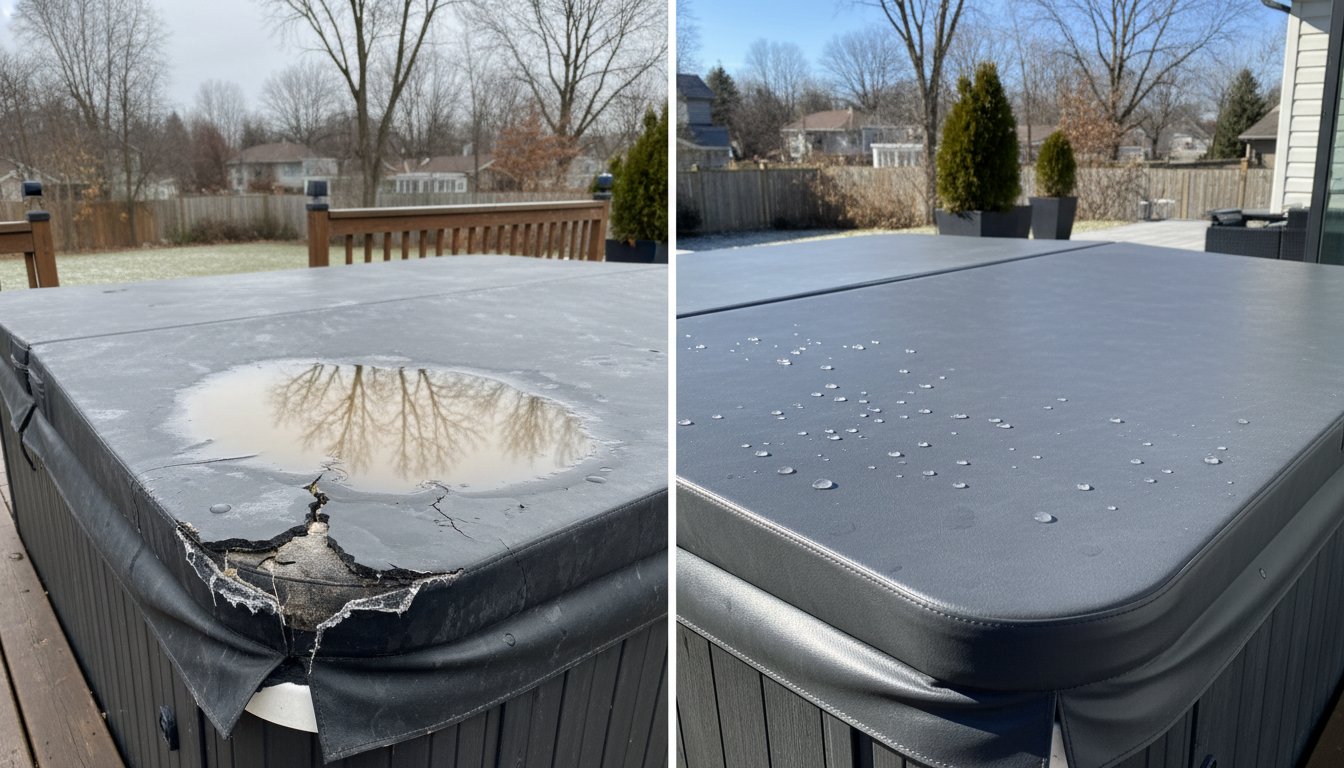
The outer vinyl is your cover's first line of defence. Constant exposure to UV rays and sanitizing chemicals like chlorine or bromine eventually breaks down the material, leading to cracks and tears. While a simple vinyl patch kit seems like an easy fix, it rarely lasts. More importantly, any tear, no matter how small, creates an entry point for rain and moisture to seep into the foam core, setting in motion a slow but certain process of the end of life of your cover.
Waterlogged and Heavy Foam Core
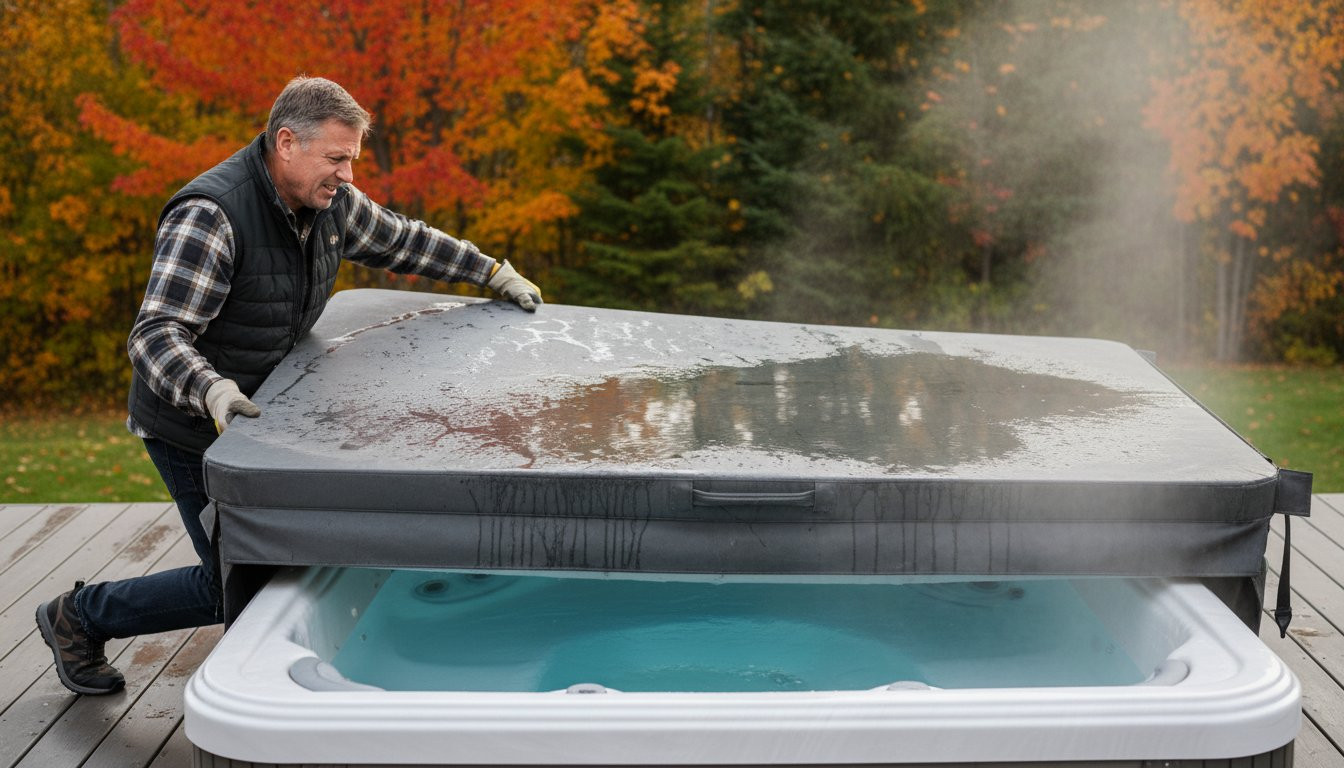
Has your once-lightweight cover become a dead weight that requires a team effort to lift? This is the most common sign of a failed cover. It happens when the vapour barrier seal around the foam core is compromised, allowing the foam to absorb steam and condensation like a giant sponge. You'll notice pooling water on the surface, a distinct sag in the middle, and an impossible weight. The condition of this waterlogged cover means it has lost all insulating value, and attempting to dry out saturated foam is extremely difficult, if not impossible.
Broken or Cracked Foam Inserts
A heavy snow load, a climbing pet, or a child using it as a trampoline can easily crack the internal foam inserts. Once a foam panel is cracked, its structural integrity is gone. This creates a massive thermal gap, allowing heat to escape directly into the atmosphere and driving up your energy bills. A cracked core completely negates the purpose of a high-quality insulated hot tub cover, turning your efficient spa into an energy drain.
Torn Vapour Barrier or Broken Zippers
The vapour barrier is a sheet of heavy-duty plastic that seals the foam and protects it from moisture. This seal is the most critical component for a long-lasting cover. Once it is torn or the seal is broken, water absorption is inevitable, and the countdown to a waterlogged core begins. Similarly, broken zippers or torn tie-down straps are more than an inconvenience—they are a serious safety hazard, failing to secure the cover and prevent accidental entry by children or animals.
The DIY Repair Approach: Tools, Costs, and Reality
When your hot tub cover starts to show wear, the temptation to attempt a quick DIY fix is understandable. Online tutorials and repair kits promise a cheap and easy solution. However, it is crucial to analyze the true costs and the practical reality of these repairs, especially in the demanding Canadian climate. Before you invest time and money, consider the total picture. A vinyl patch kit may cost only C$30, but if the repair fails within three months, you have wasted both your money and your weekend. Experts have a clear guideline for when to repair vs. replace, and it often comes down to whether a short-term patch is a sound investment compared to a long-term solution.
Attempt 1: Patching the Vinyl with a Kit
A typical vinyl repair kit contains a small patch of marine-grade vinyl, a tube of adhesive, and an applicator. While it may seem like a straightforward fix for a small tear, these patches rarely last. The extreme temperature swings in Canada cause the patch and the cover’s original vinyl to expand and contract at different rates, inevitably breaking the seal. Creating a truly waterproof bond that withstands sun, snow, and chemical exposure is nearly impossible outside a factory setting.
Attempt 2: Resealing the Vapour Barrier
If you find a tear in the plastic sheeting that encases the foam core, the common advice is to reseal it with specialized vapour barrier tape. The problem is twofold. First, if the foam is already damp, taping the barrier shut only traps the moisture inside, accelerating the growth of mould and mildew. Second, achieving a perfect, airtight seal like the original factory one is extremely difficult. Any small gap or crease will allow moisture to penetrate, defeating the purpose of the repair entirely.
Attempt 3: Trying to Dry Waterlogged Foam
This is the most common and least effective DIY attempt. The idea of standing foam cores on their end to let them "dry out" is a myth. Once the foam's closed-cell structure is saturated, the water is permanently trapped, and the foam's insulating R-value is lost. Worse, this damp, enclosed environment becomes a perfect breeding ground for bacteria and foul-smelling mould. A cheap patch on a failing hot tub cover**,** with waterlogged foam, is not a solution; it is a temporary cover-up for a much larger problem.
The Hard Truth: Why DIY Repairs Fail in a Canadian Climate
In Canada, we know a thing or two about harsh weather. From heavy snow loads in the Rockies to the freeze-thaw cycles of the Maritimes, our climate is the ultimate stress test for outdoor equipment. While a DIY patch on your hot tub cover might seem like a clever, money-saving solution, it’s a temporary fix that won't stand a chance against a Canadian winter. Here’s the no-nonsense breakdown of why these repairs ultimately cost you more in money, time, and safety.
Massive Heat Loss and Skyrocketing Energy Bills
A hot tub cover’s primary job is insulation. When you patch a tear, you’re only fixing the cosmetic vinyl layer. You are not restoring the compromised foam core or its insulating R-value. A patched cover constantly loses heat, forcing your spa’s heater to work overtime just to maintain the temperature. It’s like leaving a window open in January. This inefficiency can easily add C$30 to C$60 or more to your monthly hydro bill, quickly erasing any savings from the DIY repair.
The Inevitable Return of Waterlogging
Once the vapour barrier protecting the foam core is breached, failure is not a matter of if, but when. Canadian freeze-thaw cycles are relentless. Moisture seeps into the foam through the tiniest imperfection in your patch, freezes, expands, and destroys the repair from the inside out. Soon, your cover becomes a heavy, saturated sponge that is nearly impossible to lift, putting immense strain on your cover lifter and risking another expensive repair. A DIY patch simply cannot create the factory-perfect seal needed to prevent this.
Hidden Safety and Health Hazards
A compromised hot tub cover is more than just an expensive problem—it's a hazard. The long-term consequences of a failed repair introduce serious risks that every owner should be aware of. The damage to your hot tub cover goes beyond the surface.
-
Mold and Mildew: Damp, warm foam is a perfect breeding ground for mold and mildew. These spores can be released into the air every time you open the cover, posing a health risk.
-
Physical Injury: A waterlogged cover can weigh over 100 pounds. Lifting this dead weight is a leading cause of back and shoulder injuries.
-
Failed Safety Locks: Patches and tears often compromise the integrity of the locking safety straps, leaving your hot tub unsecured and potentially accessible to children, potentially violating local bylaws.
Repair vs. Replace: A Clear Checklist for Hot Tub Owners
Deciding whether to patch up your old hot tub cover or invest in a new one can be confusing. While a quick DIY fix may seem cost-effective, it’s often a temporary solution that ends up costing more in the long run. We believe in making smart, practical decisions. This straightforward checklist will help you determine the best course of action for your spa.
When a Small Repair MIGHT Make Sense
In very specific situations, a minor repair can extend the life of a newer cover. If your cover is less than two years old and otherwise in excellent condition, a fix might be worthwhile for:
-
A single, tiny puncture in the vinyl that is well above the waterline.
-
One broken clip or tie-down strap on an otherwise structurally sound cover.
Consider these temporary patches to get a few more seasons out of a cover that is still performing efficiently.
Clear Signs It's Time to Replace Your Cover
For almost any other issue, replacement is the only logical and safe choice. Your cover is a critical piece of equipment, and a failing one is a liability. If your** cover** doesn't seal it, it's not doing its job. It is definitely time for a new cover if you notice:
-
It's Heavy: The cover feels significantly heavier than when you first bought it. This is a sure sign the foam core is saturated with water (waterlogged), destroying its insulating R-value.
-
Cracked Foam Core: If you can feel or see breaks in the internal foam panels, the cover's structural integrity is gone. It can no longer support a load and is unsafe.
-
Damaged Vapour Barrier: Multiple rips in the vinyl or a peeling, brittle plastic barrier around the foam mean moisture is getting in, leading to waterlogging and heat loss.
-
Old Age: In the harsh Canadian climate, even a high-quality cover typically lasts 5-7 years. After that, materials degrade, and efficiency plummets.
Calculating the True Cost
Before you spend C$30 on a patch kit, consider the hidden costs. A waterlogged cover can easily add C$30-C$50 or more to your monthly hydro bill. Over a year, that wasted energy costs far more than a single, high-quality replacement. A new cover isn't just an expense; it's an investment in energy efficiency, safety, and peace of mind.
Stop wasting money on a failing cover. Get an instant quote on a new, energy-efficient cover.
The Northern Advantage: Investing in a Long-Term Solution
While a DIY repair might seem like a cost-effective fix, it's often a temporary patch on a bigger problem. A waterlogged, torn, or broken cover will continue to cost you money in lost heat and increased chemical use. Investing in a new, high-quality replacement is not just about aesthetics; it's a long-term investment in your hot tub's efficiency, longevity, and your own peace of mind. At Northern Hot Tub Covers, we provide a superior solution built by Canadians, specifically for the Canadian climate.
Superior Materials Built for Canadian Winters
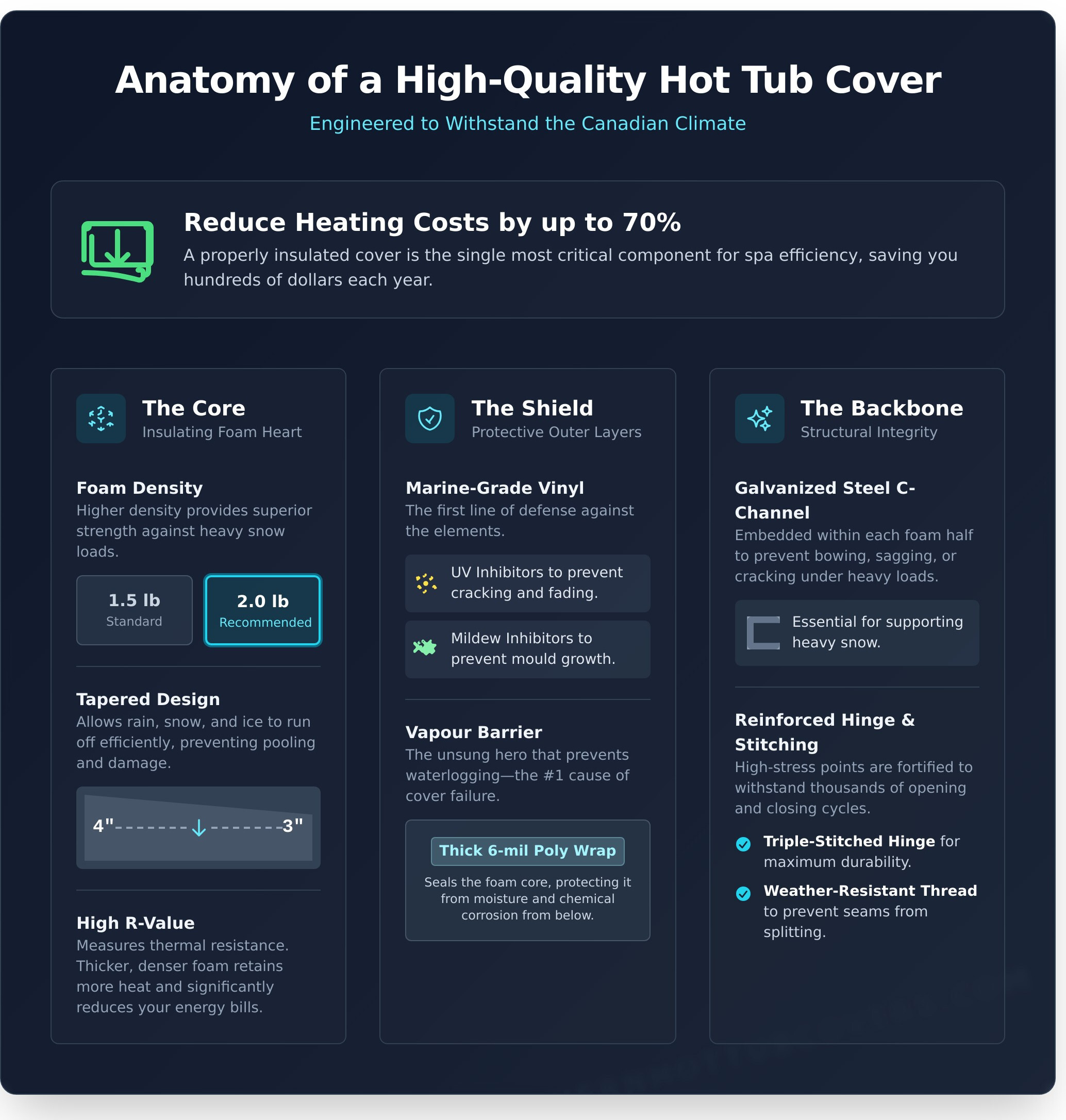
A repaired cover is still an old cover. Our replacement covers feature high-density virgin EPS foam, providing a higher R-value for maximum heat retention—something a patched, compressed core can never achieve. We wrap this core in a heavy-duty, sealed vapour barrier to prevent water absorption from the start. The exterior is constructed from premium, marine-grade vinyl that resists fading from harsh summer sun and won't crack in the bitter cold of a Canadian winter.
A Guaranteed Perfect Fit for Maximum Efficiency
Even the best DIY repair can't fix a cover that has warped or shrunk over time. A poor fit creates gaps around the edges of your spa, allowing precious heat to escape and driving up your energy bills. Our custom-fit process guarantees a tight, complete seal. This perfect fit not only slashes your heating costs but also keeps debris out and ensures your water chemistry stays balanced for longer, saving you time and money on maintenance. Don't just patch your hot tub **cover **; invest in a real, efficient solution.
Peace of Mind with a 'No-Nonsense' Warranty
Your weekend repair project comes with no guarantees. If the patch fails or the waterlogging returns in a few months, you are back to square one with wasted time and money. Every cover we build is backed by our 5-Year 'No-Nonsense' Warranty. This protects your investment against defects in materials and workmanship. It’s the confidence and security you deserve, ensuring your new cover performs as it should for years to come. Why risk another failed repair when you can have a guaranteed solution? Explore our Canadian-made covers today.
The Final Verdict: Why a New Cover Outperforms Any Repair
While the DIY spirit is admirable, the reality of hot tub cover repair is clear: it's a short-term patch for a long-term problem. Quick fixes often fail to address the core issue of waterlogged foam and simply can't withstand a harsh Canadian winter, leading to higher energy bills and repeated frustration. A hot tub cover is your first line of defense for safety, heat retention, and cleanliness. When your cover fails, your entire hot tub investment is at risk.
Instead of battling with vinyl patches and ineffective sealants, make a smart, lasting investment in protection. At Northern Hot Tub Covers, we build superior replacements right here in Canada, specifically engineered for the Canadian climate. We guarantee a perfect fit using our database of over 5,000 hot tub models, or the measurements you provide, and we back our quality craftsmanship with a 5-Year No-Nonsense Warranty. Don't waste another dollar or weekend on a failing cover.
Stop struggling with a broken cover. Order your custom, Canadian-made replacement today!
Frequently Asked Questions About Hot Tub Cover Repair
Can I just buy new foam inserts for my old hot tub cover?
While it seems like a cost-effective fix, replacing only the foam inserts is rarely a good long-term solution. The outer vinyl skin has likely degraded from UV exposure and chemical wear. A damaged vinyl jacket will quickly compromise new foam, leading to waterlogging all over again. For a lasting, efficient seal that protects your investment, a new, complete hot tub cover is the superior, more practical choice, ensuring a perfect fit and maximum insulation.
How can I tell for sure if my hot tub cover is waterlogged?
The most obvious sign is weight. A standard hot tub cover should be manageable for one or two people to lift. If it has become extremely heavy and difficult to remove, it's saturated with water. You may also notice the cover sagging in the middle, water pooling on its surface after it rains, or a musty smell coming from the foam core. These are clear indicators that the vapour barrier has failed, and it's time for a replacement.
Is a vinyl repair kit from a hardware store a permanent solution?
A vinyl repair kit is, at best, a temporary patch. It can seal a small rip or puncture to prevent immediate water entry, but it will not withstand the harsh Canadian climate, UV rays, and spa chemicals for long. These patches often fail, peel, or crack, leaving your cover’s foam core vulnerable again. A permanent solution requires the durability of the heavy-duty, marine-grade vinyl used in a high-quality replacement cover.
How much money can a new, energy-efficient hot tub cover actually save me per month?
Investing in a new, high-quality hot tub cover directly impacts your energy bills. A waterlogged or damaged cover loses a tremendous amount of heat, forcing your heater to work constantly. By replacing it with a well-fitting, energy-efficient cover with high-density foam, many Canadian hot tub owners report savings of up to C$30-$50 per month or more on their electricity costs, especially during our cold winter months. The savings can quickly offset the cost of the new cover.
What makes a 'Canadian-made' hot tub cover better than a standard one?
Our Canadian-made covers are engineered specifically for the demanding Canadian climate. They feature higher-density foam for superior insulation against freezing temperatures and are built with heavy-duty, UV-resistant marine-grade vinyl to withstand intense sun and heavy snow loads. Unlike many offshore alternatives, they use reinforced stitching and stronger support channels. A quality Canadian hot tub cover provides the durability and efficiency needed to protect your spa year-round.
How do I properly dispose of my old, waterlogged hot tub cover?
Proper disposal varies by municipality across Canada. We recommend checking your local city or regional district's waste management website for guidelines on large-item or landfill disposal. You will likely need to transport it to a local transfer station or dump, which typically involves a disposal fee ranging from C$20 to C$50. Some services may require you to cut the cover into smaller pieces, so it is important to confirm local regulations first.